 9.4
3D printers / DLP
This range
DLP 3D Printers
Updated at 2026-10-28
Printers that project entire layers at once for fast resin curing 4 printers · 3 brands
High-speed
Resin
3D printer filament
Multi-color
PLA compatible
With auto leveling
Budget
For beginners
High precision 3D resin
Grey and resin
Gray
Desktop
Large build volume
Mini
Pre-assembled
3D printer nozzles
ABS-like 3D printer resin
For home use
Black and accessories
FDM
CoreXY
Fast curing 3D resin
Enclosed
For kids
3D printer tool kits
PETG compatible
White and filament
For school
LCD
TPU compatible
Water washable 3D resin
SLA
WiFi
ABS compatible
Clear 3D printing materials
Filament storage
Silent
Wash and cure stations
High speed PLA filament
Red
Portable
Silk 3D printer filament
3D printer stands
DLP
Green
Matte 3D printer filament
Nylon
Best DLP 3D Printers
| # | Item | Band | Label | Specs | Weight | See deal |
|---|---|---|---|---|---|---|
| 1 |
 9.3
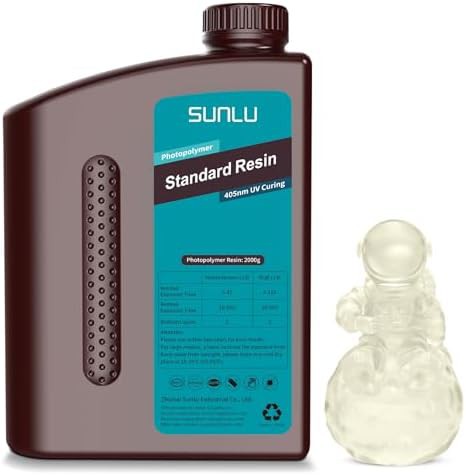
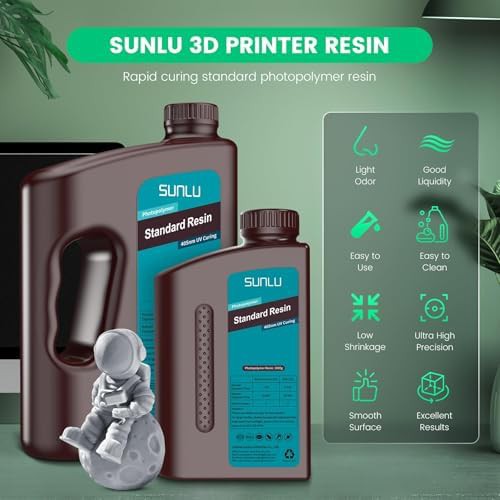
SUNLU Clear upgraded standard resin 2kg |
$22.55 | SUNLU | Resin · LCD · For beginners | 2 kg |
$22.55
See deal
|
| 2 |
9.4
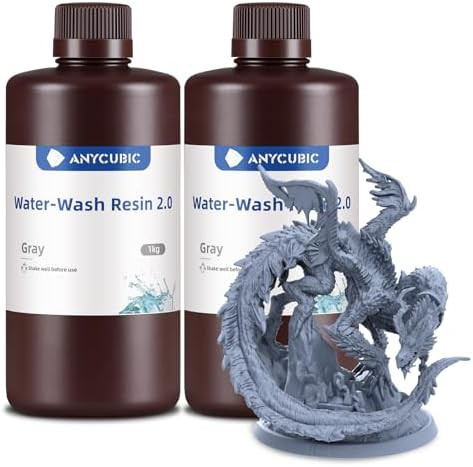
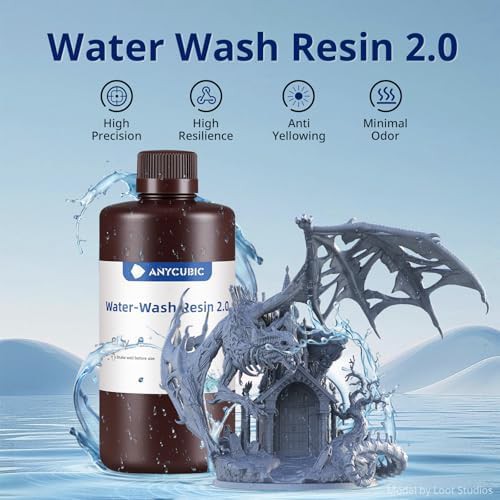
ANYCUBIC Grey water washable resin two pack
|
$30.39 | ANYCUBIC | Gray · Resin · LCD | 2 kg |
$30.39
See deal
|
| 3 |
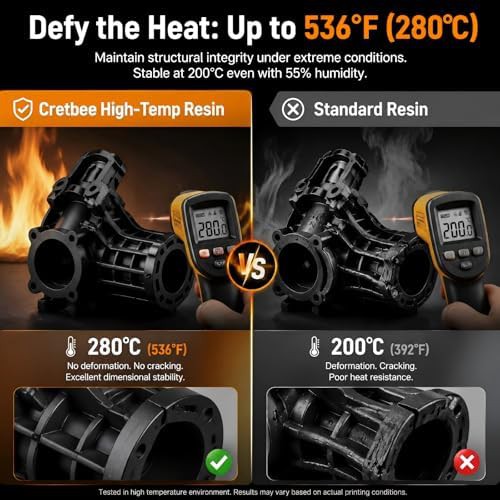
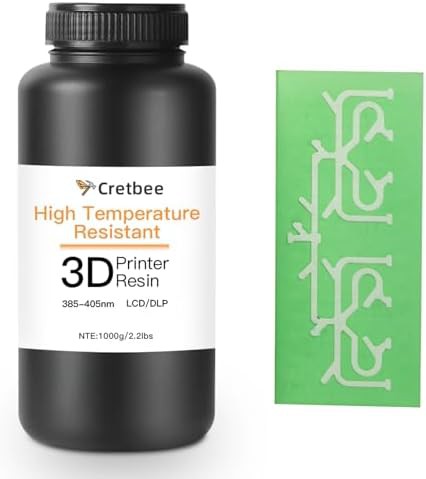 Cretbee High temperature photopolymer resin one kilogram |
$59.98 | Cretbee | Resin · LCD | 1 kg |
$59.98
See deal
|
| 4 |
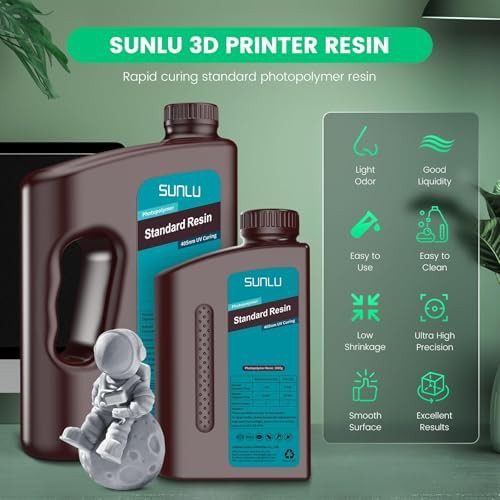
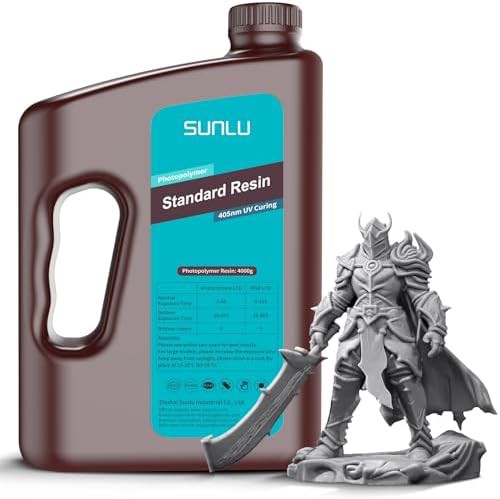 SUNLU Grey upgraded standard resin 4kg bulk |
$38.79 | SUNLU | Gray · Resin · LCD | 4 kg |
$38.79
See deal
|
9.4
 9.3
SUNLU
Clear upgraded standard resin 2kg
$22.55
Resin LCD For beginners SLA Clear 3D printing materials
Precision printing with light projection
Resin printing uses light to harden liquid photopolymer layer by layer, a process that captures fine details often missed by other methods. This technology is a common choice for projects that require a smooth surface finish, such as jewelry prototypes or small gaming figures. These listings feature the specialized hardware and resins needed to achieve that level of clarity.
Unlike filament printers that move a nozzle, these machines project light through a vat of resin. This often results in faster print times for complex shapes because the entire layer is cured at once rather than traced out line by line.
Materials and hardware in this set
These listings focus on the ecosystem of DLP and LCD resin printing. While the hardware provides the platform, the specific resins determine the strength and finish of the final object. This set highlights the compatibility between various high-precision machines and the specialized liquids they require.
- High-precision resins with low viscosity for fast curing
- Specialized photopolymers with high heat resistance
- UV-curing liquids designed for 8K and 12K resolution printers
- Tough resins that mimic the properties of ABS plastic
- Fluorescent and colored resins for specific aesthetic projects
Getting the most from resin setups
Working with these machines often involves a multi-step process including washing and curing the finished parts. The listings here show how different resins react to 405nm UV light, which is the standard for most modern desktop units. You will find options for standard resins as well as "ABS-like" versions that offer more durability for functional parts.
When you select a brand from this catalog, you can see their specific recommendations for curing times and layer heights. This ensures that the liquid photopolymer reaches its full hardness and maintains the sharp edges required for high-resolution models.